Every journey

Explore Nepal

Trekking, peak climbing, day hikes and city days — filter down to the journey that fits your time, budget and appetite for altitude.

16 journeys to choose from

Upper Dolpo
Trekking
Very Difficult27 days

Upper Dolpo

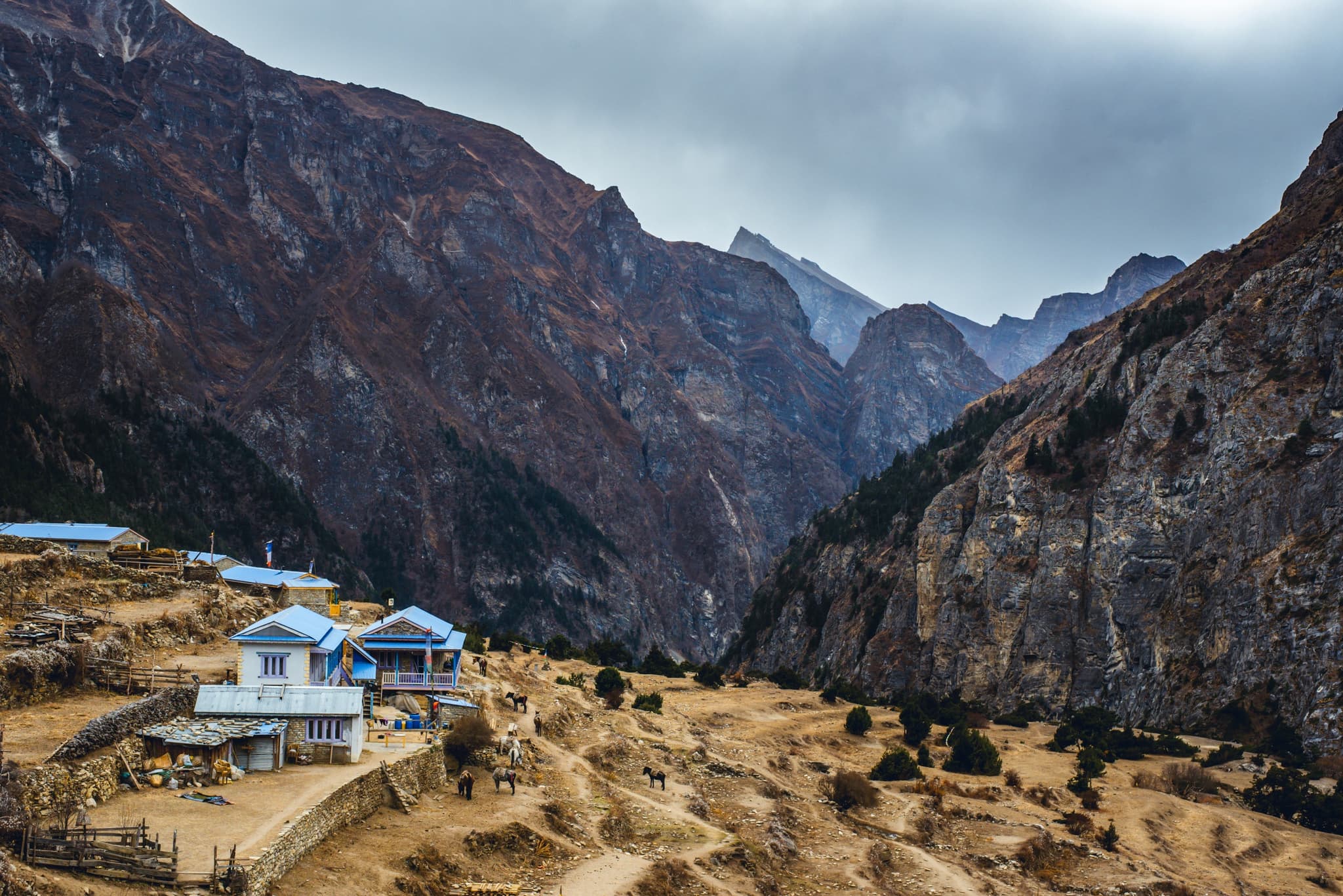
The Upper Dolpo Trek is a demanding journey into one of Nepal’s most remote Himalayan regions, where high mountain passes, arid trans-Himalayan landscapes and traditional settlements preserve a distinctive cultural heritage. The route combines Shey Phoksundo Lake, the sacred landscape around Shey Gompa and Crystal Mountain, and villages such as Namgung, Saldang and Dho Tarap. The trek normally begins with flights from Kathmandu to Nepalgunj and onward to Juphal, followed by a walk to Dunai and the trail towards Phoksundo Lake. From Ringmo, the route enters the upper valley and crosses Kang La to reach Shey Gompa. The journey continues through remote settlements and across high passes, including Shey La/Saldang La and Jeng La, before descending into the Tarap Valley and returning through lower Dolpo. Upper Dolpo is not defined by mountain views alone. Its character comes from ancient trade routes, Tibetan Buddhist and Bon traditions, stone villages, cultivated fields and the daily lives of communities living in a demanding high-altitude environment. Much of the route has limited or no lodge accommodation, so a supported camping expedition is generally required. This is a remote, strenuous trek with several passes around or above 5,000 m. It is best suited to experienced trekkers who are prepared for long walking days, cold nights, basic facilities and possible changes to the itinerary due to weather or trail conditions. Join Junkiri Treks to explore Phoksundo Lake, visit Shey Gompa and walk through the ancient valleys and settlements of Upper Dolpo.

View Details
Kanchenjunga Circuit Trek
Trekking
Very Difficult25 days

Kanchenjunga Circuit Trek

The Kanchenjunga Circuit Trek is a demanding journey through one of Nepal's most remote Himalayan regions, circling Mount Kanchenjunga (8,586 m), the world's third-highest mountain. The route takes you through forested valleys, traditional mountain villages, alpine meadows and glacial landscapes before reaching the northern base camp area at Pangpema and the southern viewpoint at Oktang. The trek begins in the lower valleys of eastern Nepal, where terraced fields, rivers and forested hills gradually give way to high mountain terrain. As you ascend the Ghunsa Valley, you pass through traditional settlements such as Ghunsa and Kambachen, where Tibetan Buddhist culture remains an important part of everyday life. Above the villages, the landscape becomes increasingly rugged, with glaciers, rocky moraines and dramatic mountain faces. The northern section leads to Pangpema (5,143 m), where the immense northern face of Kanchenjunga dominates the surrounding landscape. From there, the trail returns through Ghunsa before crossing the high passes connecting the northern and southern valleys. The journey continues to the Yalung Valley, where Oktang (4,730 m) offers an impressive viewpoint of the southern face of Kanchenjunga and the Yalung Glacier. Unlike Nepal's busier trekking routes, the Kanchenjunga Circuit offers a stronger sense of remoteness, with fewer trekkers, basic mountain lodges and long stretches of wilderness. It is best suited to experienced trekkers who are prepared for long walking days, high altitude and changing mountain conditions. Join Junkiri Treks to explore both sides of Kanchenjunga, experience the cultural life of eastern Nepal's mountain communities and discover one of the Himalayas' great wilderness routes.

View Details
Mardi Himal Trek
Trekking
Moderate6 days

Mardi Himal Trek

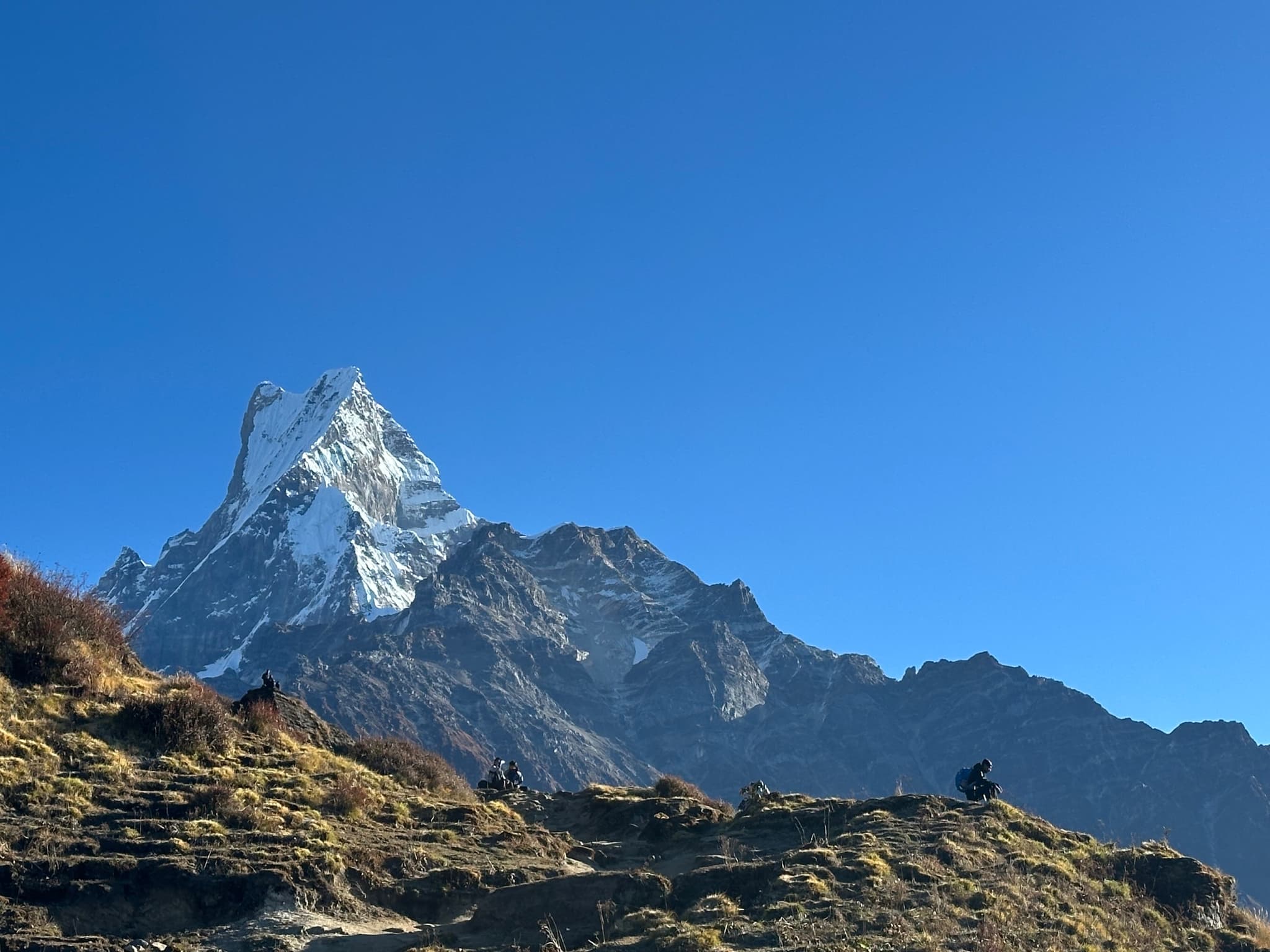
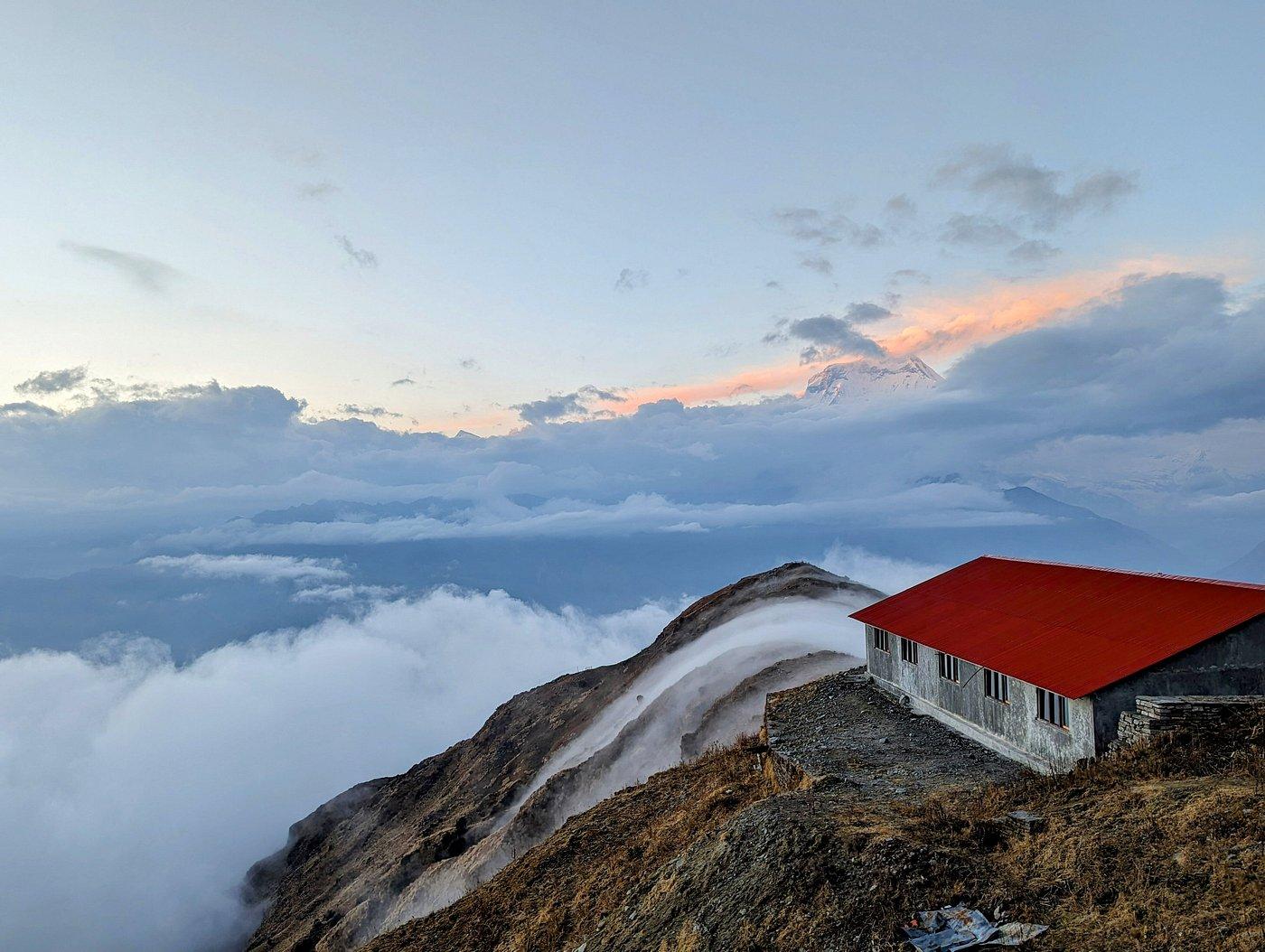
The Mardi Himal trek is the newest of the Annapurna region’s classic routes, only opened as a teahouse trail in 2012, and it has become popular for a simple reason: no other short trek in Nepal puts you so close to such big mountains. The route follows a single forested ridge north from the Pokhara valley, climbing through rhododendron and oak into high alpine meadow, and finishes on an open crest beneath the south face of Machhapuchhre — the sacred fishtail peak that is closed to climbers and has never been summited. Because it never enters a gorge, the walking is almost entirely on ridgeline, and the views open earlier and stay longer than on the better-known Annapurna Base Camp or Poon Hill routes. From High Camp and the Upper Viewpoint the skyline is filled by Machhapuchhre, Mardi Himal, Annapurna South and Hiunchuli, close enough to pick out individual ice flutings on their faces. It is a short trek but not a soft one. The daily height gain is substantial, High Camp sits at 3,580m in genuinely cold air, and the climb to the Upper Viewpoint at 4,500m is a long, exposed push on a narrow ridge. The teahouses are small and basic by Annapurna standards, which is part of the appeal — and the trail is still noticeably quieter than the main circuits, particularly in the lower forest. Starting and finishing in Pokhara with no internal flights and no restricted-area permits, Mardi Himal is the natural choice for anyone with a week or less in Nepal who still wants to stand under the high Himalaya rather than look at it from a distance.

View Details
Nar Phu Trek
Trekking
Moderate to Difficult13 days

Nar Phu Trek

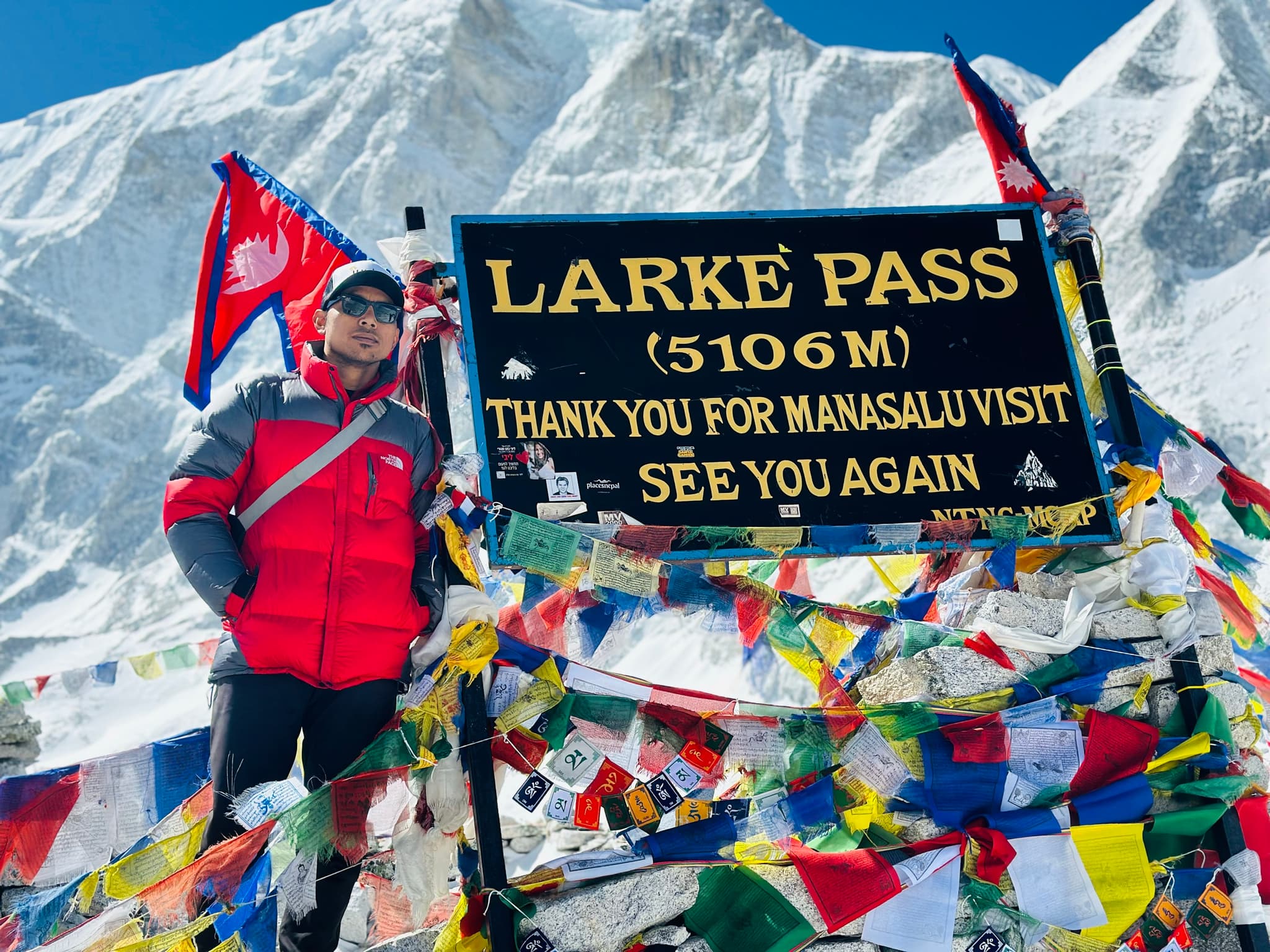
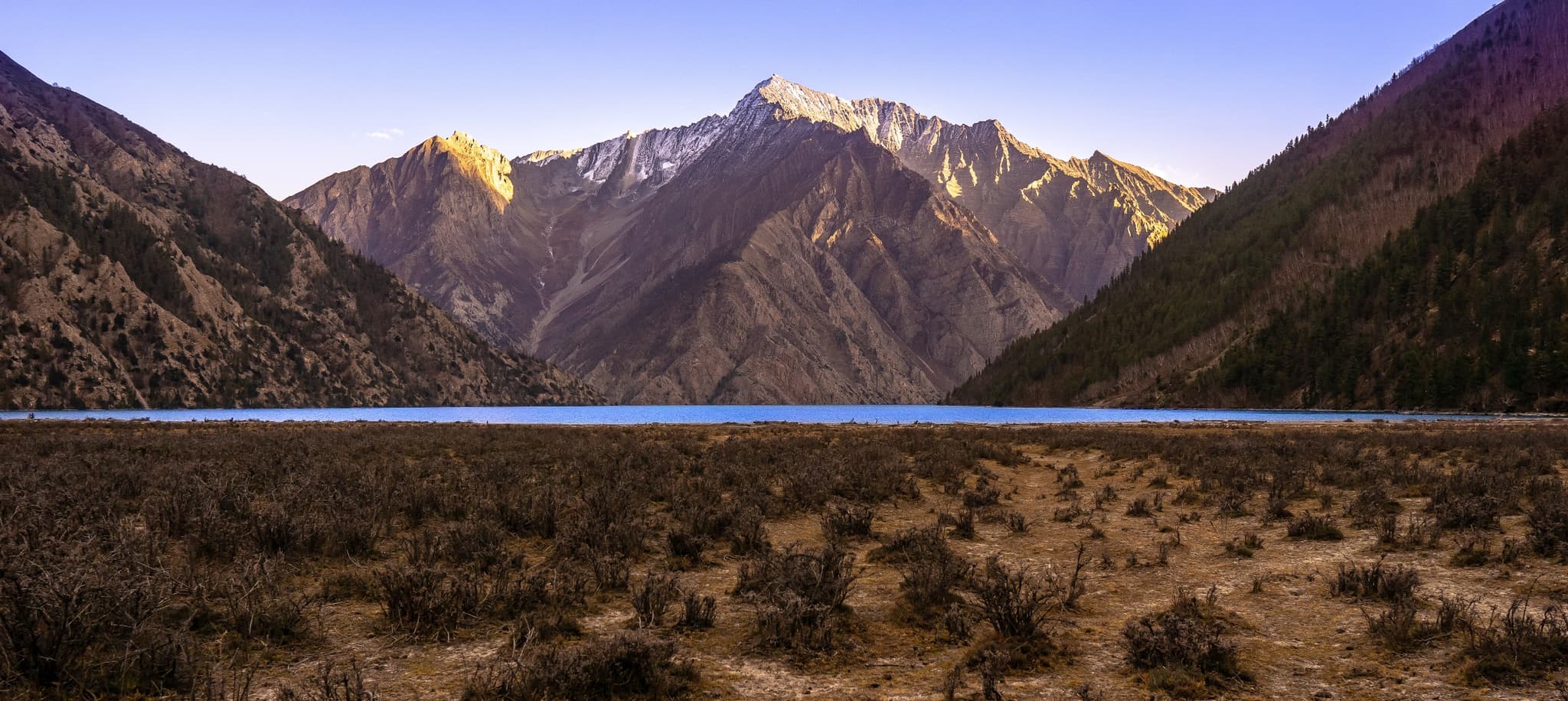
The Nar Phu Valley Trek is one of the most remote and rewarding trekking adventures in Nepal. Located in the northernmost part of the Annapurna Region, this restricted Himalayan valley offers a rare opportunity to explore untouched landscapes, ancient Tibetan-influenced villages, centuries-old monasteries, dramatic canyons, alpine meadows, glaciers, and high mountain passes. Opened to foreign trekkers only in 2002, Nar Phu remains one of the least-visited trekking destinations in Nepal, making it ideal for travelers seeking an authentic off-the-beaten-path Himalayan experience. At the heart of the trek lie the historic villages of Nar and Phu, where traditional lifestyles have changed little over the centuries. The local communities continue to practice animal husbandry and subsistence farming, preserving their unique culture, customs, and architectural heritage. Stone houses, narrow alleys, prayer walls, and ancient monasteries create a timeless atmosphere that transports visitors to a bygone era of the Himalayas. Beyond its rich cultural heritage, the Nar Phu Valley Trek showcases some of the most spectacular mountain scenery in the Annapurna region. Towering peaks, rugged gorges, windswept plateaus, and pristine wilderness accompany trekkers throughout the journey. The adventure reaches its climax at Kang La Pass (5,306m), a challenging high-altitude crossing that rewards trekkers with breathtaking panoramic views of the Annapurna Range, Manaslu, Tilicho Peak, and the surrounding Himalayan giants. Due to its remote location, rugged terrain, significant elevation gain, and basic infrastructure, the Nar Phu Valley Trek is considered a moderate to challenging trek. A good level of fitness is recommended. Accommodation and meals are simpler than those found on the popular Annapurna Circuit, adding to the region's authentic and unspoiled character. As Nar Phu is a restricted area, a special trekking permit is required, and independent trekking is not permitted. Trekkers must travel with a licensed guide and in a group of at least two people, as required by Nepalese regulations. The journey begins with a scenic drive from Kathmandu to Koto, where the trail leaves the Annapurna Circuit and heads north into the hidden valleys of Nar and Phu. The route first reaches the remote village of Phu before retracing part of the trail to explore Nar village. After crossing the spectacular Kang La Pass, the trek descends to Pisang, where the adventure concludes with an overland return to Kathmandu. Combining remote Himalayan wilderness, authentic Tibetan culture, ancient settlements, and a thrilling high-pass crossing, the Nar Phu Valley Trek is one of Nepal's finest hidden gems and an unforgettable alternative to the more crowded trekking routes of the Annapurna region.
View Details
Everest Base Camp Trek
Trekking
Difficult16 days

Everest Base Camp Trek

The Everest Base Camp Trek is one of Nepal's most recognised Himalayan journeys, taking you through the Khumbu region to the foot of Mount Everest. The trek combines mountain landscapes, traditional Sherpa settlements, Buddhist monasteries and high-altitude walking, gradually leading from the lower valleys to the glacial surroundings of Everest Base Camp. The journey begins with a flight from Kathmandu to Lukla, followed by a trek through the Dudh Koshi Valley. The trail passes through Phakding and several small settlements before reaching Namche Bazaar, the main trading centre of the Khumbu region. From here, the route continues through traditional villages, forested hillsides and alpine landscapes, with views of some of the region's most prominent mountains. As the trek gains altitude, the landscape changes from green valleys and pine forests to open mountain terrain. The trail passes through Tengboche, known for its monastery and mountain setting, before continuing towards Dingboche and the higher settlements of the Khumbu Valley. Acclimatisation is an important part of the journey. Time is spent in Namche Bazaar and Dingboche to allow the body to adjust to the increasing altitude before continuing towards Lobuche and Gorak Shep. The final section leads to Everest Base Camp, situated beside the Khumbu Glacier. Depending on the weather and visibility, the surrounding landscape offers views of the glacier, ice formations and the mountains above the valley. Kala Patthar provides an additional viewpoint for those who wish to see Everest from a higher perspective. The trek is physically demanding because of the altitude, long walking days and changing terrain. Previous trekking experience is beneficial, and a gradual pace, proper acclimatisation and attention to the guide's instructions are essential throughout the journey. Join Junkiri Treks for a carefully planned Everest Base Camp journey, combining the classic Khumbu route, local mountain culture and the experience of walking towards the foot of Everest.

View Details
Khopra Ridge Trek
Trekking
Moderate11 days

Khopra Ridge Trek

The Khopra Ridge Trek is one of the Annapurna region's best-kept secrets. Located just west of the popular Annapurna Base Camp route, it offers a quieter and more authentic trekking experience without sacrificing mountain views. Following remote ridgelines, community-run lodges, alpine meadows, and traditional villages, the trek rewards you with some of the finest panoramas in Nepal while avoiding the crowds found on more established trails. The journey begins with a scenic drive to Ghandruk, a traditional Gurung village, before ascending through rhododendron and oak forests to Tadhapani and Dobato. A sunrise or sunset hike to Mulde Viewpoint reveals a breathtaking Himalayan panorama stretching from Machhapuchhre (Fishtail) and the Annapurna Massif to the mighty Dhaulagiri. Continuing north, the trail passes through peaceful forests, yak pastures, and high meadows before reaching the spectacular ridge of Khopra Danda. Perched high above the Kali Gandaki Valley, Khopra Ridge offers an extraordinary close-up view of Dhaulagiri (8,167m), Annapurna South, Nilgiri, Fang, and several other Himalayan giants. A full day is dedicated to the trek's ultimate highlight—a pilgrimage hike to the sacred Khayar Lake (4,660m). Set beneath the towering slopes of Annapurna South, this remote glacial lake is revered by local Hindu communities and provides a memorable high-altitude adventure. Along the way, you'll encounter isolated yak and buffalo herds, sample locally produced cheese and butter, and experience the warm hospitality of Gurung and Magar communities in villages such as Ghandruk and Swanta. The trek concludes with a descent through beautiful forests to Swanta and Ghorepani before driving back to Pokhara. Combining outstanding mountain scenery, rich local culture, community-run lodges, and peaceful trails far from the busy trekking routes, the Khopra Ridge Trek is an excellent choice for trekkers seeking an off-the-beaten-path Himalayan experience.

View Details
Annapurna Base Camp Trek
Trekking
Difficult13 days

Annapurna Base Camp Trek

The Annapurna Base Camp Trek is one of Nepal's most iconic trekking adventures, taking you deep into the heart of the Annapurna Sanctuary beneath the towering slopes of Annapurna I (8,091m), the ninth-highest mountain in the world. Starting from the beautiful lakeside city of Pokhara, the trail passes through diverse landscapes, including terraced farmlands, lush rhododendron forests, cascading waterfalls, and traditional Gurung and Magar villages before reaching Annapurna Base Camp (4,130m). Unlike many popular trekking routes, our itinerary follows quieter sections of the trail whenever possible, allowing you to enjoy a more authentic Himalayan experience away from the crowds. The trek remains below the tree line for much of the journey, with alpine scenery unfolding dramatically from Machhapuchhre Base Camp (3,700m) to Annapurna Base Camp. While the altitude is generally manageable for most trekkers, the route features frequent ascents and descents that add a rewarding challenge to the adventure. The journey begins in Kathmandu, where you will meet our team and explore Nepal's cultural heritage on a guided sightseeing tour. Afterward, travel to Pokhara and prepare for the trek. To avoid sections affected by road construction, we drive to Banthanti before starting our walk. From there, the trail winds through dense forests, mountain hamlets, yak pastures, and spectacular viewpoints, including the stunning panoramas from Mulde and Chomrong. As you ascend beyond Dobhan, the landscape gradually transforms into a dramatic glacial valley surrounded by towering cliffs and snow-capped peaks. The approach to Machhapuchhre Base Camp offers a taste of the high Himalayas, while the final walk to Annapurna Base Camp places you in the center of a breathtaking natural amphitheater encircled by Annapurna I, Annapurna South, Hiunchuli, Machhapuchhre, and several other Himalayan giants. Watching the sunrise over the Annapurna massif from base camp is an unforgettable experience and the highlight of the trek. On the return journey, descend through the sanctuary and head back to Pokhara, where comfortable accommodation, lakeside cafés, and excellent restaurants provide the perfect setting to celebrate your achievement. Join us on the Annapurna Base Camp Trek and discover why this classic Himalayan journey remains one of the best trekking experiences in Nepal.

View Details
Mera Peak Climbing
Peak Climbing
Very Difficult18 days

Mera Peak Climbing

Mera Peak Climbing is a high-altitude mountaineering adventure in the remote Hinku Valley of eastern Nepal. Rising to 6,476 m, Mera Peak offers an opportunity to experience Himalayan climbing, from walking through forested valleys and remote mountain settlements to crossing glaciers and standing above the clouds on a high Himalayan summit. The journey begins with a drive to Phaply and further towards Kharikhola, followed by a trek into the Hinku Valley. The trail passes through forests, small mountain settlements and increasingly rugged alpine terrain before reaching Kothe, Thangnak and Khare. As the altitude increases, the landscape changes from green hillsides to rocky valleys, glacial moraines and snow-covered slopes. Khare is the main staging point for the climb. Here, climbers spend time acclimatising and practising essential mountaineering skills, including the use of crampons, an ice axe, a climbing harness and ropes. The expedition then continues towards Mera High Camp, from where the team makes an early-morning summit attempt. The climb follows a glaciated route, and its principal challenges are the extreme altitude, cold temperatures, physical endurance and changing mountain conditions. Previous mountaineering experience is beneficial, and climbers must be prepared to use appropriate equipment and follow the instructions of their climbing guide. From the summit, on a clear day, the surrounding Himalayan panorama includes some of the world's highest mountains, such as Everest, Lhotse, Makalu, Cho Oyu and Kanchenjunga. Reaching the summit is the main objective, but the journey through the quieter Hinku Valley and the preparation required for high-altitude climbing are equally important parts of the experience. Join Junkiri Treks for a carefully planned Mera Peak expedition, combining remote Himalayan trekking, acclimatisation and guided mountaineering.

View Details