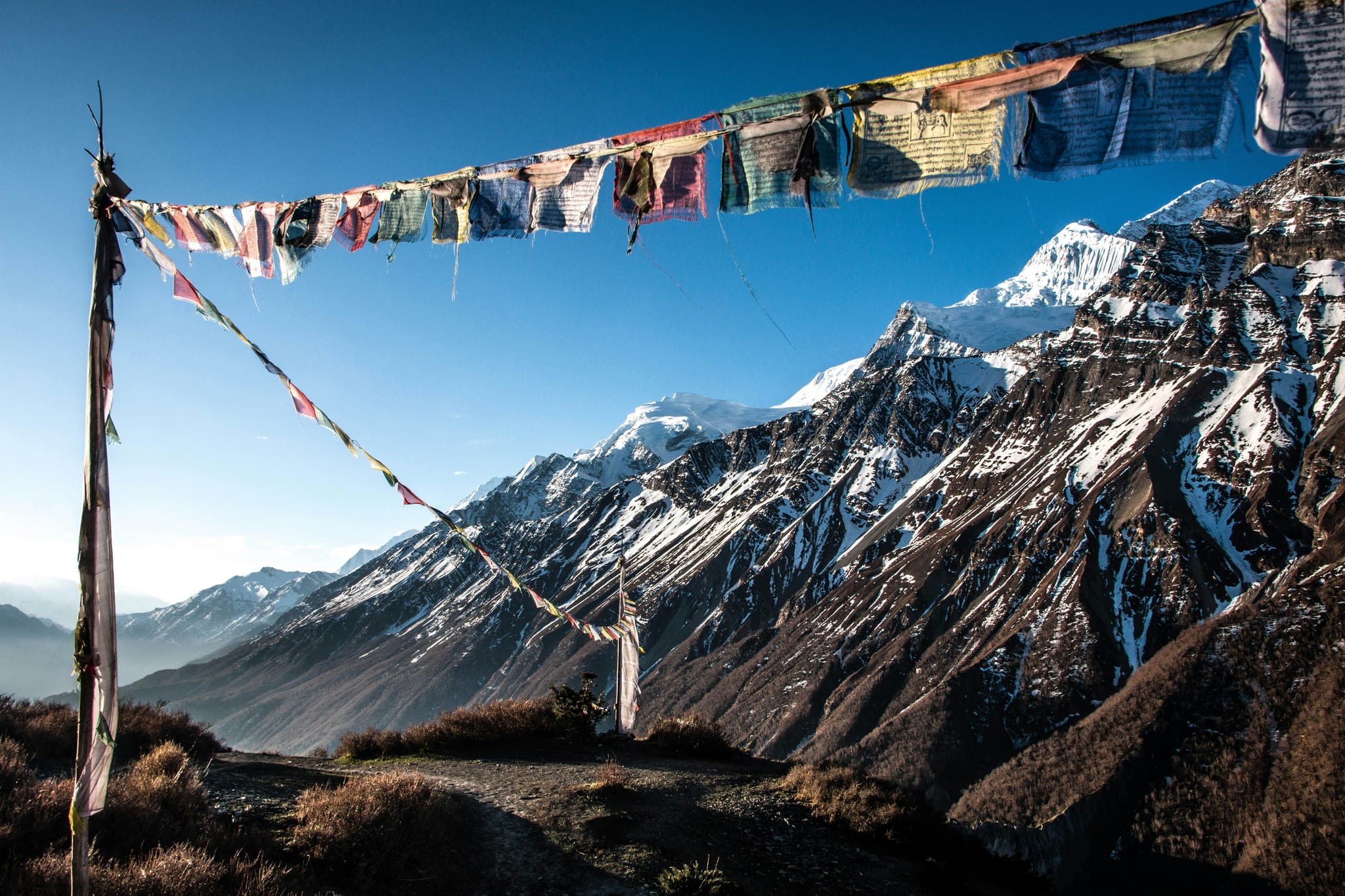
Pikey Peak Trek
The viewpoint Tenzing Norgay called his favourite in Nepal — a low-altitude ridge walk through Sherpa heartland with eight thousand-metre peaks on the skyline.
Trip Overview
- Best season
- Spring · Autumn
- Group size
- 2 – 14 People
- Start & end
- Kathmandu
Highlights
- Best Everest view (recommended by Sir Edmund Hillary)
- Off-the-beaten-path experience
- Authentic Sherpa villages
- Stunning sunrise panorama
- Lower altitude, suitable for more trekkers
About this trek
Pikey Peak offers one of the best panoramic viewpoints in Nepal, with views stretching from Everest to Kanchenjunga. This lesser-known trek through Sherpa villages is a hidden gem recommended by Sir Edmund Hillary himself as having the best view of Everest.
Day by Day Itinerary
Arrive in Kathmandu, meet our representative and transfer to your hotel. Your guide joins you in the evening for the briefing, gear check and a welcome dinner.
A long day on the road east through Dhulikhel and the Sun Koshi valley, then up the hill road past Jiri — the old starting point for every Everest expedition before Lukla had an airstrip. Eight to nine hours of driving brings you to the small settlement of Dhap.
An easy first walking day climbing through rhododendron forest and grazing land onto the ridge. Jhapre is a scattered Sherpa village with a first proper look at Numbur Himal, and on a clear afternoon the Everest group already shows to the north-east.
Follow the ridgeline north through forest, yak pasture and long lines of prayer flags, passing mani walls and the odd solitary chorten. The trail gains height steadily all day to the handful of lodges at Pikey Base Camp, high on open grassland.
Start before dawn for the hour-long climb to Pikey Peak at 4,065m. The sunrise panorama runs from Dhaulagiri in the far west through Annapurna, Manaslu, Langtang and Numbur to Everest, Lhotse and Makalu — the view Tenzing Norgay named as the finest in Nepal. A long descent through forest then drops you into the handsome Sherpa village of Junbesi.
A gentle day with time to visit Thupten Chholing monastery above Junbesi, home to a large community of monks and nuns. The trail then contours south through farmland and pine to Phaplu, the district airstrip and road head.
Fly from Phaplu to Kathmandu, a short and scenic hop over the foothills, or drive if flights are not operating. The afternoon is free once you reach your hotel.
A deliberate spare day. Mountain flights are weather-dependent and this is the buffer that keeps a delay at Phaplu from costing you an international connection. If all went to plan, use it for the Durbar Squares, Boudhanath and Patan, and a farewell dinner in the evening.
The standard itinerary ends here. We arrange your airport transfer, or help with onward travel if you are staying in Nepal.
Route & Elevation
Trip Map
8 stops · 7 places · 1,400–4,065 m
Kathmandu
1400m
Dhap
2350mDrive
Jhapre
2820m
Pikey Base Camp
3640m
Pikey PeakHigh
4065m
Junbesi
2675m
Phaplu
2470m
Kathmandu
1400mDrive
Elevation
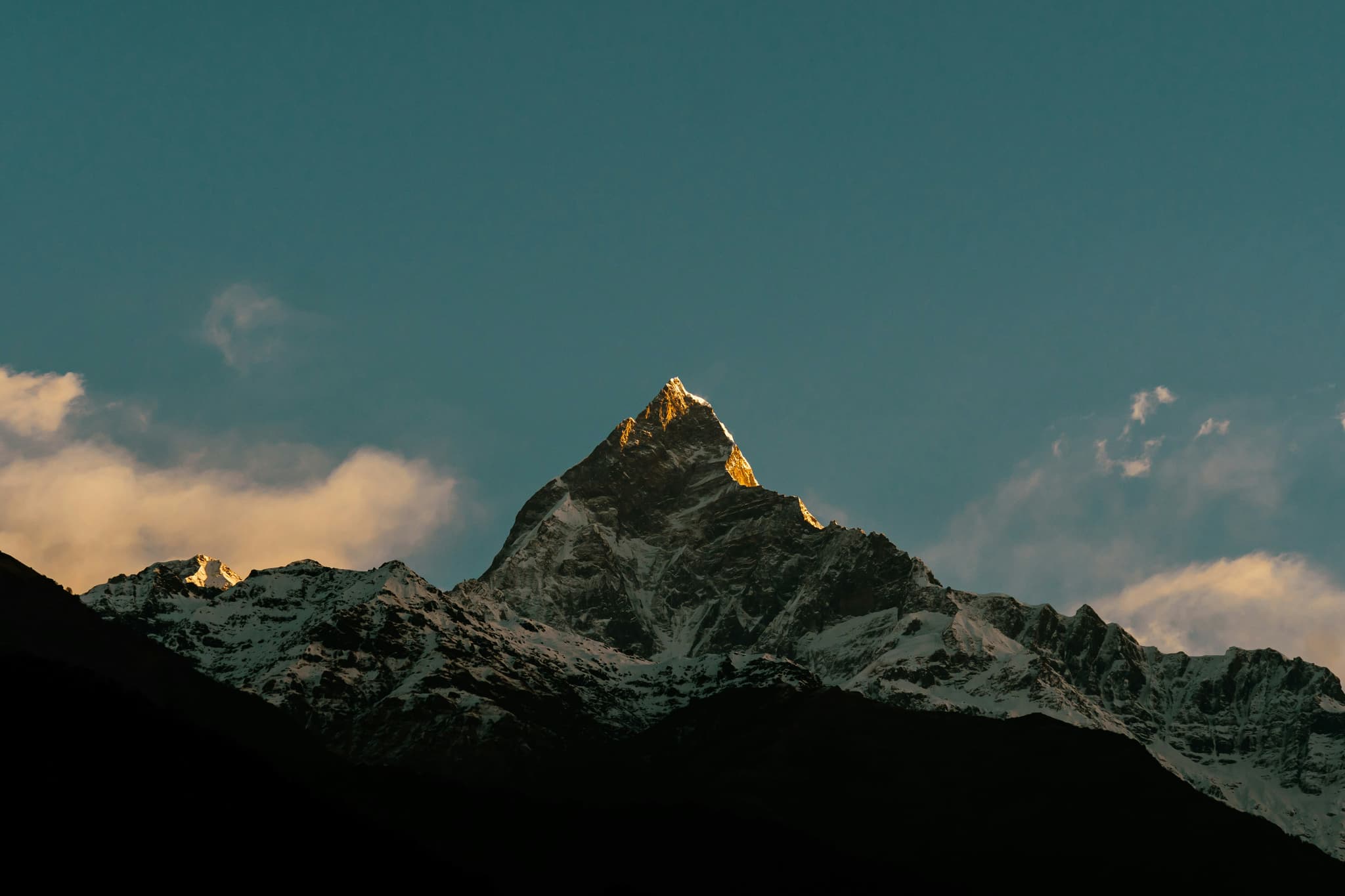
Photographs
What's Included
Included
- All transfers
- All meals
- Guide and porter
- All permits
- Tea house accommodation
Not included
- International flights
- Nepal visa
- Travel insurance
- Personal gear
- Tips
Good to Know
Permits, insurance, altitude and the rest of the small print.
Every permit your route needs — TIMS card, national park and conservation area fees — is arranged by us and already in the trip price. Bring four passport photos.
Most nationalities get a visa at Kathmandu airport. Carry USD in cash for the fee and a passport valid for six months beyond your return date.
Required, without exception. Your policy must cover trekking to the maximum altitude on your itinerary and include helicopter evacuation.
Twin-share teahouse lodges on the trail, three-star hotels in Kathmandu and Pokhara. Single rooms are available in the cities on request.
Breakfast, lunch and dinner on trek, chosen from the lodge menu. Bring purification tablets or a filter bottle — buying bottled water on the trail is expensive and leaves plastic behind.
Layered clothing, a broken-in pair of boots and a four-season sleeping bag. Down jackets and bags can be hired in Kathmandu, and we send a full checklist once you book.
Itineraries build in acclimatisation days and your guide carries a pulse oximeter. Ascend slowly, drink more than you think you need, and tell your guide about any headache early.
Draw rupees in Kathmandu — ATMs thin out fast above the trailhead. Most lodges sell wifi and charging by the hour; a local SIM covers the lower valleys.
Common Questions
Yes, and it is the point of the trek. From the 4,065m summit you can pick out eight of the world’s highest peaks, including Everest, Lhotse and Makalu to the east and Dhaulagiri far to the west. Tenzing Norgay, who knew the range as well as anyone, said it was his favourite viewpoint in Nepal.
It is shorter, cheaper, much lower and far quieter, and you see more of Everest than you do from Base Camp itself, where the mountain is hidden behind Nuptse. What you miss is the glacier scenery and the Khumbu. Pikey suits anyone with limited time, or who would rather not go above 4,000m.
Much less than on the high routes. You sleep no higher than 3,640m and only touch 4,065m briefly at sunrise, which is well within most people’s comfortable range. The ascent profile is also gradual, so your body has time to adjust.
Very quiet. You will often walk a whole day seeing only locals and yak herders, and the lodges are small family teahouses rather than the large guesthouses of the main routes.
You should be comfortable walking 5–7 hours a day on uneven ground, several days in a row. You do not need climbing experience or a gym routine — the people who struggle are usually those who underestimate the daily hours, not those who are unfit. Two or three months of regular hill walking with a daypack is the best preparation.
Yes. Solo trekkers join with a private guide or are placed in a small group departure, whichever you prefer. Nepal requires a licensed guide for trekking in national park and conservation areas, so you are never walking alone regardless of group size.
Ready when you are
Walk into Everest
Tell us when you'd like to go and we'll shape the route, the pace and the team around you.
